
 Rīgas Nacionālais zooloģiskais dārzs
Community-verified data · Not affiliated with Rīgas Nacionālais zooloģiskais dārzs
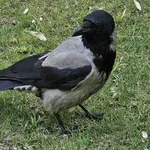
Rīgas Nacionālais zooloģiskais dārzs in Riga, Latvia is home to 186 species across 123 enclosures, as registered by the ZooTrack community. The collection includes 65 mammals, 39 birds, 18 reptiles, and more, and the list is still growing. Among the most spotted animals by our community are Asiatic Camel, Eastern Kiang, Hippopotamus. Among them: European Mink (only here), Hooded Crow (seen in 3 tracked zoos) and Northern Snake-necked Turtle (seen in 2 tracked zoos).
Location
Species by group
Below are the 186 species at Rīgas Nacionālais zooloģiskais dārzs grouped by animal category, as registered by the ZooTrack community.
Animals at Rīgas Nacionālais zooloģiskais dārzs
The most spotted species per group at Rīgas Nacionālais zooloģiskais dārzs, as registered by the ZooTrack community. The full list of 186 species, with the enclosure of each animal, is in the ZooTrack app.
Mammals
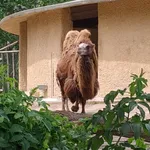
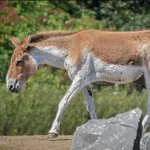
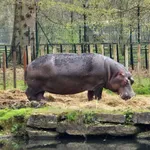
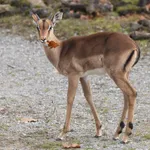
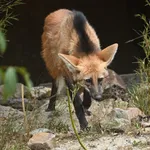
and 60 more mammals in the app
Birds
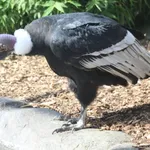
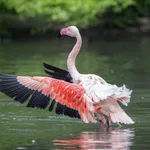
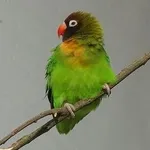
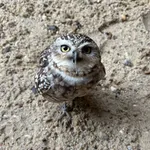
and 34 more birds in the app
Reptiles
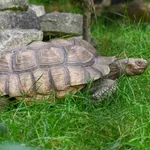
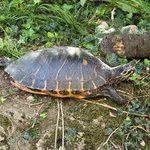
and 16 more reptiles in the app
Amphibians
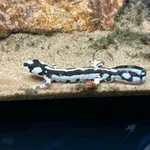
and 12 more amphibians in the app
Fish
and 28 more fish in the app
Invertebrates
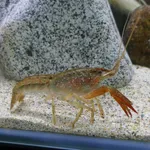
and 11 more invertebrates in the app
Rarely seen species
Species at Rīgas Nacionālais zooloģiskais dārzs that we don't see often at other zoos yet. Up to three per category.
Based on the zoos we've mapped so far. Numbers go up as more zoos are added.
Mammals
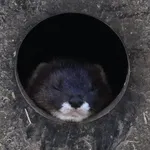 European MinkCR
Mustela lutreola novikovi Ellerman & Morrison-Scott, 1951
rarely seen elsewhere
Reptiles
Amphibians
Fish
Invertebrates
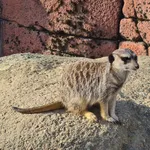
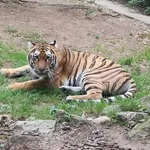
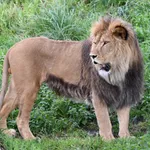
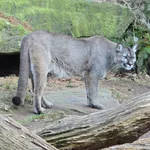
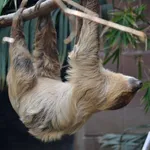
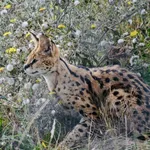
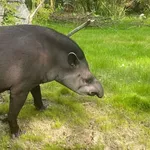
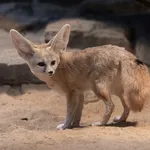
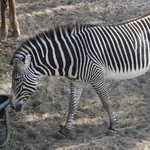
Community favorites
These animals at Rīgas Nacionālais zooloģiskais dārzs are marked as favorites by the most ZooTrack users.
About this data
All species data on this page is contributed and verified by the ZooTrack community. This page is not affiliated with, endorsed by, or verified by Rīgas Nacionālais zooloģiskais dārzs.
Only community-reviewed species are shown here. The ZooTrack app contains additional sightings awaiting review, plus real-time updates from fellow zoo enthusiasts.
No rights can be derived from this information. Species presence may be inaccurate or outdated.